The Constitution divides federal power among the legislative, executive, and judicial branches. Each holds distinct authority, and each can check the others through confirmations, vetoes, statutes, and judicial review.
The Senate confirms presidential appointments, ratifies treaties by a two-thirds vote, and considers bills passed by the House. Standing committees, including Judiciary and Foreign Relations, review nominees and legislation before floor debate.
House of Representatives
Originating revenue and rules
The House originates revenue bills and holds the power of impeachment. The Rules Committee sets the terms under which bills reach the floor, and the Speaker presides over a chamber whose 435 members serve two-year terms.
Executive and judicial branches
The presidency and the Supreme Court
The executive branch enforces federal law through cabinet departments and agencies, while the judiciary interprets the Constitution and federal statutes.
President
Executive orders and agencies
The president commands the armed forces, nominates officers and judges subject to Senate confirmation, and issues executive orders that direct federal agencies within statutory limits.
Supreme Court
Appellate jurisprudence
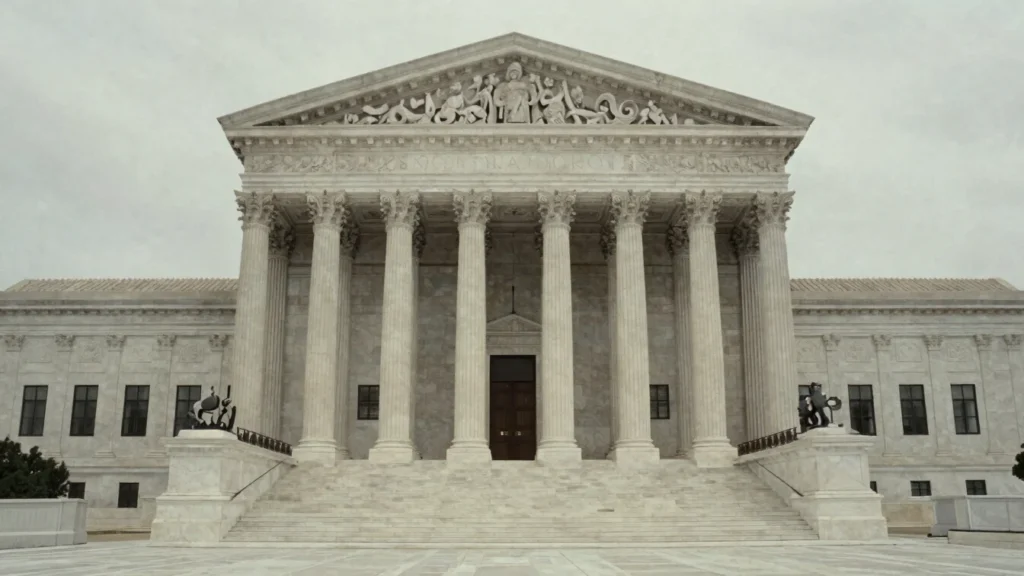
The nine-justice Court hears appeals and original cases of constitutional significance. Its decisions on judicial review define the limits of federal and state power and bind lower federal courts.
Checks and balances
How the branches constrain each other
Congress can override a veto with a two-thirds vote in each chamber, the Senate confirms judges, and courts can strike down executive actions and statutes that conflict with the Constitution.